
Grains at the heart of Türkiye’s economy
The plains of Anatolia have made grains central to Türkiye’s food culture and economy. Wheat, barley and maize remain vital staples for farmers, millers, food processors and exporters. Türkiye is well positioned in between major producing regions and consumer markets in Europe, the Middle East and Africa. This combination of domestic production, processing expertise and trade links has made the country an important hub for flour, pasta and grain-based foods. Nevertheless, harvests and prices remain sensitive to rainfall, water availability and global market conditions.
A leading agribusiness
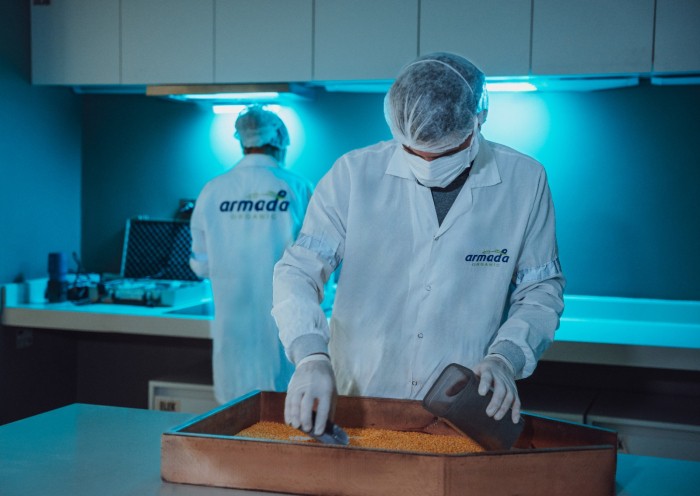
Armada or in full Armada Gida Ticaret Sanayi Anonim Şirketi is a leading Turkish processor and exporter of pulses and grains, including lentils, chickpeas, beans, bulgur and rice. Based in the Mediterranean port city of Mersin, the company oversees the entire supply chain, from sourcing and storage to processing, packaging and export. Its products are exported to over 90 countries. Armada is also a long-standing supplier to international humanitarian organizations, including the World Food Programme and the Red Cross.
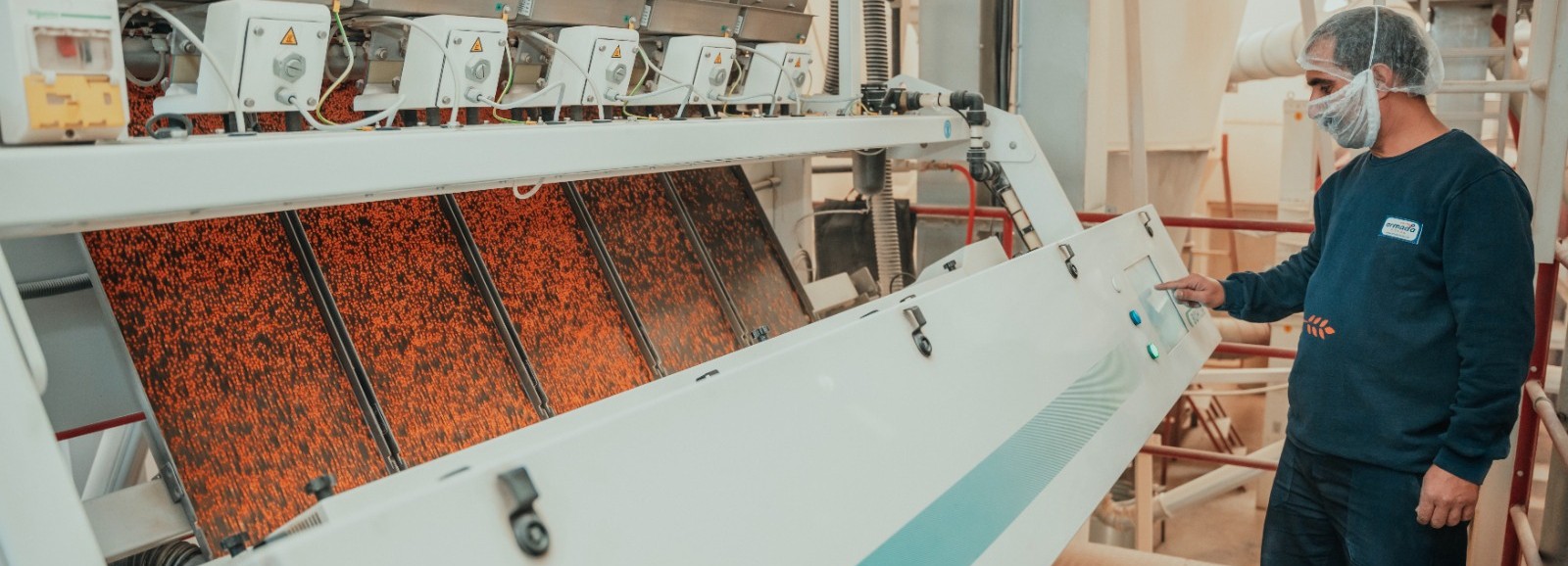
Founded in 1993 on a family trading tradition dating back to 1914, Armada has grown from a 2,000 m² warehouse into an international food business. It moved into industrial processing in the late 1990s, opened a manufacturing site in 2009 and later expanded into bulgur and certified organic products. Today, its three campuses and 13 production lines provide production capacity of 725,000 tons and storage capacity of 118,000 tons[PS3] . Looking ahead, Armada plans to grow internationally while investing in technology, traceability, quality and sustainable production.
As one of Türkiye’s leading conventional and organic food producers and exporters, Armada places value-added production and exports at the heart of its international growth strategy. In this context, the company aims to focus on Europe and the MENA region by investing in high value-added products such as organic pulses and grains, gluten-free pasta, protein-based products and healthy snacks. While strengthening its regional presence, Armada is progressing towards its vision of becoming a global food company with production capabilities across a broader geography.
The FMO Loans
FMO has been a financing partner to Armada since 2022. Building on this relationship, FMO has arranged a USD 110 million syndicated financing facility, with an FMO commitment of up to USD 65 million. The financing supports the expansion of the company's Armada-3 facility, the development of the Armada-4 processing facility in Mersin, and a light-processing facility in Kazakhstan. The funding is used for capital expenditures and working capital requirements, enabling Armada to scale production capacity, expand value-added food processing activities, and strengthen its supply chain.
A broader perspective
Businesses such as Armada bridge farms and consumers. By buying crops, storing them safely and processing them into packaged staples, food processors create markets for farmers and jobs in manufacturing, logistics, trade and related services.
This matters in Türkiye, where agriculture accounts for around 14% of employment. Efficient storage, processing and distribution reduce losses, keep food moving during supply disruptions and limit avoidable cost increases—especially when high inflation is pressuring household budgets. Armada also strengthens the food system’s resilience and sustainability by investing in traceability, resource-efficient technology, and more inclusive employment and management.
Armada’s impact extends beyond the company. It supports Sustainable Development Goal/SDG 2 (Zero Hunger), SDG 8 (Decent Work) SDG 10 (Reducing Inequalities), SDG 12 (Responsible Production) and SDG 13 (Climate Action). The United Nations emphasizes that sustainable food systems are essential not only to ending hunger, but also to progress across all 17 SDGs.
Employees: 236
production capacity: 725,000 tons
storage capacity: 118,000 tons